Understanding Acne: Causes, Treatments, and Prevention.
Introduction
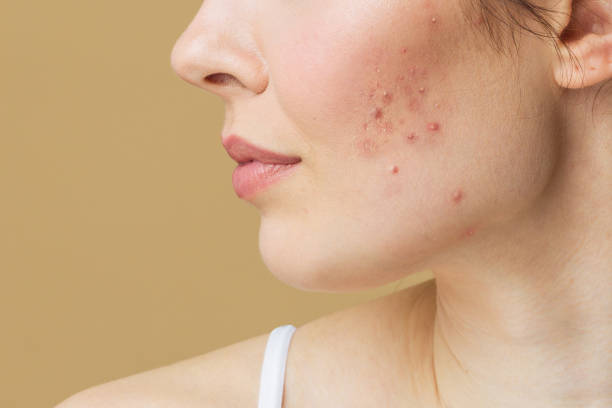
Acne is one of the most prevalent skin conditions affecting individuals globally, particularly teenagers and young adults. It can lead to emotional distress and adversely affect one’s self-esteem. Understanding acne comprehensively—including its causes, treatment options, and preventive strategies—can empower you to take control of your skin health. In this detailed guide, we explore the intricacies of acne, from its origins to effective management strategies.
What Causes Acne?
Acne occurs when hair follicles become clogged with oil (sebum) and dead skin cells. While its appearance may seem straightforward, the underlying causes are multifaceted. Let’s delve into the primary factors contributing to acne formation:
1. Excess Oil Production
One of the leading contributors to acne is the overproduction of sebum, which is influenced by hormonal changes. These hormonal fluctuations can result from:
- Puberty: During adolescence, the body experiences a surge in androgen hormones, leading to increased oil production, which can clog pores.
- Menstruation: Many women experience premenstrual acne flare-ups due to hormonal shifts that lead to oilier skin.
- Stress: When you are under stress, your body releases cortisol, a hormone that can increase oil production in the skin.
2. Clogged Pores
Dead skin cells that do not shed properly can accumulate and block pores, resulting in the formation of comedones (blackheads and whiteheads). The buildup of these cells often results from a lack of exfoliation or an imbalance in skin cell turnover.
3. Bacteria
The bacterium Propionibacterium acnes, which thrives in oxygen-depleted environments like clogged pores, can lead to inflammation and infection. When bacteria multiply within pores, they can cause pustules, papules, and cysts.
4. Hormonal Changes
Hormonal fluctuations can trigger acne. Common scenarios include:
- Menstruation: Women often experience hormonal acne right before their menstrual cycle due to fluctuations in estrogen and progesterone.
- Pregnancy: Hormones surge during pregnancy, which can result in acne for some women.
- Polycystic Ovary Syndrome (PCOS): This hormonal disorder can cause severe acne due to elevated androgen levels.
5. Certain Medications
Some medications can worsen acne. Corticosteroids, lithium, and certain birth control pills may lead to breakouts. Always consult a dermatologist or healthcare provider before starting new medications.

6. Diet and Nutrition
Emerging research suggests a connection between diet and acne. Some foods may exacerbate the condition, including:
- High Glycemic Foods: Foods that rapidly increase blood sugar levels, such as white bread and sugary snacks, may worsen acne.
- Dairy Products: Some studies link dairy consumption, particularly skim milk, to an increase in acne breakouts, possibly due to hormones present in milk.
- Sugars and Processed Foods: Diets high in refined sugars and unhealthy fats can lead to skin inflammation, which may trigger acne.
7. Lifestyle Factors
Lifestyle choices can also contribute to the severity of acne. Factors include:
- Sleep Deprivation: Lack of sleep can lead to increased stress levels and hormonal imbalance, exacerbating acne.
- Smoking: Tobacco use negatively impacts skin health and can worsen acne.
- Improper Skin Care: Using the wrong skincare products can worsen existing acne and lead to new breakouts.
Types of Acne
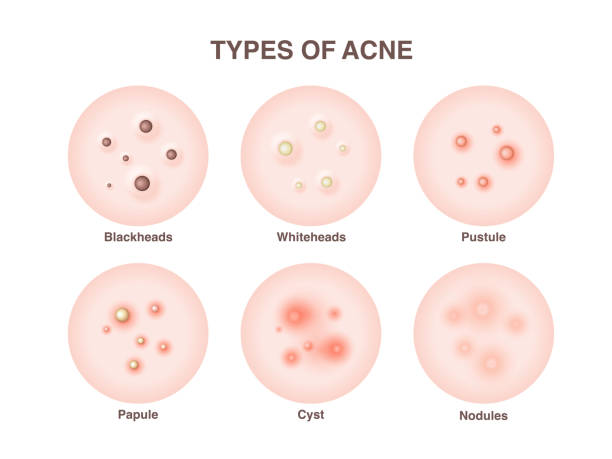
Acne manifests in various forms, each with unique characteristics. Recognizing the type of acne can help determine the most effective treatment approach:
1. Comedonal Acne
This non-inflammatory type of acne consists of open (blackheads) and closed (whiteheads) comedones. They form when hair follicles are clogged with excess oil and dead skin cells but without significant inflammation.
2. Inflammatory Acne
Inflammatory acne presents as red, swollen bumps often filled with pus. It includes:
- Papules: Small, raised, red bumps without pus.
- Pustules: Similar to papules but filled with white pus.
- Nodules: Larger, painful lumps beneath the skin that are more severe and deep-rooted.
- Cysts: The most severe form of acne, cystic acne consists of painful, pus-filled lumps beneath the surface of the skin, often leading to scarring.
3. Hormonal Acne
Typically occurring around the jawline and chin, hormonal acne often arises due to fluctuations in hormones, particularly in women. This type of acne can be persistent and frequently reoccurs.
Effective Treatments for Acne
Treatment options for acne can vary based on its severity and skin type. Understanding your options is crucial for effective management. Here are the most prevalent methods of acne treatment:
1. Over-the-Counter (OTC) Treatments
Many effective OTC treatments are available for mild to moderate acne. Look for products containing the following active ingredients:
- Benzoyl Peroxide: Helps kill acne-causing bacteria and reduce inflammation. It is available in various concentrations, from 2.5% to 10%.
- Salicylic Acid: This beta hydroxy acid (BHA) accelerates the shedding of dead skin cells, reducing clogged pores. It is effective for treating blackheads and whiteheads.
- Retinoids: Topical retinoids (such as adapalene) are derived from vitamin A and promote skin cell turnover, making them effective for both acne and aging.
- Alpha Hydroxy Acids (AHAs): AHAs, like glycolic and lactic acid, help exfoliate the skin’s surface and are effective for acne and post-acne scars.
2. Prescription Medications
For moderate to severe acne, dermatologists might prescribe stronger treatments:
- Topical Antibiotics: These can help reduce the number of bacteria on the skin and decrease inflammation. Common options include clindamycin and erythromycin.
- Oral Antibiotics: Tetracyclines (like doxycycline or minocycline) are often prescribed for inflammatory acne.
- Hormonal Treatments: Hormonal contraceptives can balance hormone levels, reducing hormonal acne in women.
- Isotretinoin: A powerful oral retinoid suited for severe, nodular acne, isotretinoin is effective but comes with potential side effects. This treatment requires careful monitoring by a dermatologist.
3. Professional Dermatological Treatments
For individuals who do not respond to traditional treatments, various professional options can provide relief:
- Chemical Peels: A dermatologist can use stronger acids to exfoliate the skin deeply and reduce acne scars.
- Laser Therapy: Treatments like blue light therapy target and destroy the bacteria that cause acne while also reducing inflammation.
- Extraction: Dermatologists can manually remove blackheads and other clogged pores, often leading to immediate improvement.
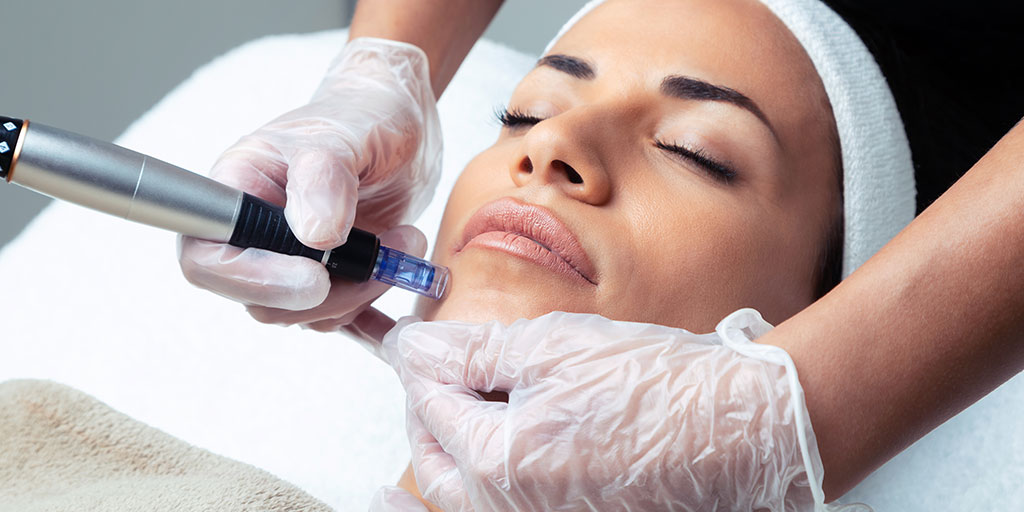
- Microneedling: This procedure involves using tiny needles to create micro-injuries in the skin, stimulating collagen production to improve skin texture and reduce scars.
Essential Skincare Routine for Acne-Prone Skin
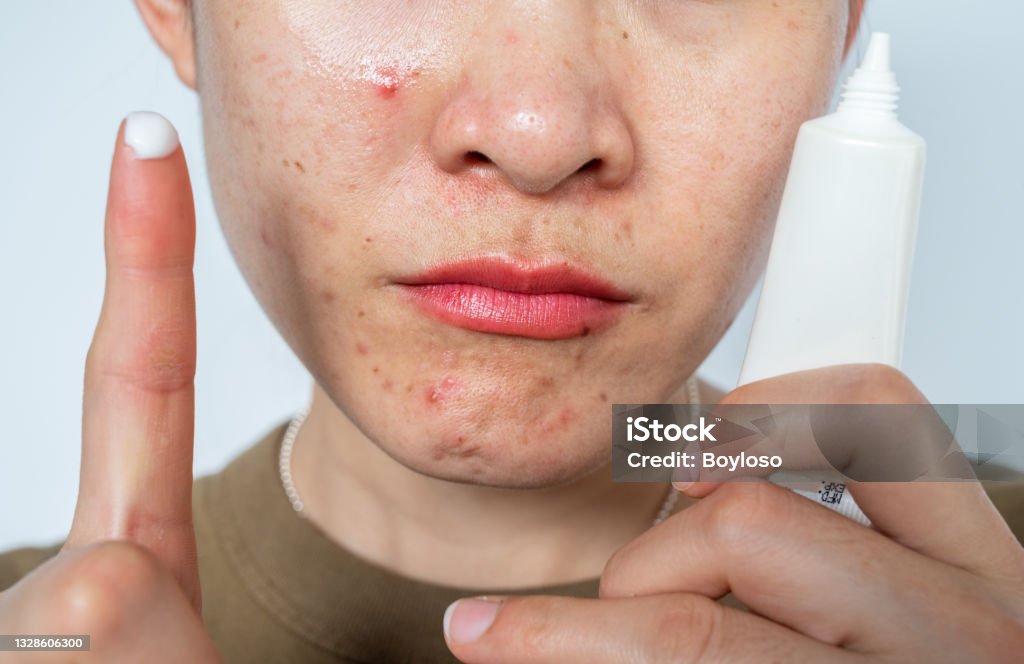
Establishing a consistent skincare routine is vital for managing acne. Here’s a step-by-step guide:
Step 1: Cleansing
– Use a Gentle Cleanser: Opt for a sulfate-free, non-comedogenic cleanser that won’t strip your skin of moisture. Cleanse twice daily (morning and night) to remove excess oil and impurities.
Step 2: Exfoliation
– Incorporate Exfoliating Products: Use products containing salicylic acid or glycolic acid 2-3 times per week to enhance skin cell turnover and prevent clogged pores.
Step 3: Treatment
– Apply Targeted Treatment Products: After cleansing, apply any targeted acne treatments that contain benzoyl peroxide or retinoids to areas prone to breakouts.
Step 4: Moisturizing
– Use Non-Comedogenic Moisturizers: Even if you have oily skin, moisturizing is crucial. Look for lightweight, oil-free moisturizers that won’t clog your pores.
Step 5: Sun Protection
– Daily Sunscreen is Essential: Choose a broad-spectrum SPF of at least 30, preferably a mineral sunscreen that is non-comedogenic.
Preventive Measures
While it may not be possible to completely prevent acne, certain practices can significantly reduce your risk of breakouts. Here’s how:
1. Keep Your Skin Clean
– Gently Cleanse Your Skin: Wash your face twice daily with a gentle cleanser to remove excess oil, dirt, and makeup.
2. Avoid Touching Your Face
– Hygiene is Key: Your hands carry bacteria and oils, so try to avoid touching your face to reduce the risk of breakouts.
3. Choose Non-Comedogenic Products
– Pay Attention to Labels: Select makeup and skincare products labeled “non-comedogenic,” meaning they are formulated to not clog pores.
4. Maintain a Healthy Diet
– Eat a Balanced Diet: Focus on whole foods rich in vitamins, minerals, and antioxidants to support skin health. While connecting diet to acne is still debated, a healthy diet can generally improve overall skin condition.
5. Stay Hydrated
– Drink Plenty of Water: Hydration is vital for maintaining your skin’s moisture balance and overall health. Aim to consume at least eight 8-ounce glasses of water daily.
6. Manage Stress effectively
– Incorporate Stress Relief Techniques: Stress management techniques such as yoga, meditation, and exercise can lower cortisol levels and, consequently, reduce acne flare-ups.
7. Regularly Change Pillowcases and Towels
– Maintain Clean Fabrics: Oils and bacteria can accumulate on bedding and towels, contributing to breakouts. Wash them frequently to maintain skin cleanliness.
Conclusion
Acne, while frustrating, is a manageable condition that many individuals face. Understanding its causes, exploring effective treatment options, and adopting preventive measures can significantly improve your skin’s appearance and health. If you struggle with persistent acne or experience severe outbreaks, consulting a dermatologist is crucial. They can provide personalized advice and recommend treatments tailored to your specific needs.
Remember, the journey to healthy skin requires patience and consistency. By incorporating the right practices into your daily routine, you can work toward clearer, healthier skin. Do not hesitate to reach out for professional guidance if you need help navigating acne treatments. Investing in your skin health will pay dividends in confidence and well-being.
For personalized advice on acne management or to explore advanced treatment options, contact us today. Schedule a consultation with our qualified dermatologist to help you tailor an effective plan just for you. Your path to clearer skin starts here!